Mount Kenya Trek Guide: Routes, Costs, and What to Expect
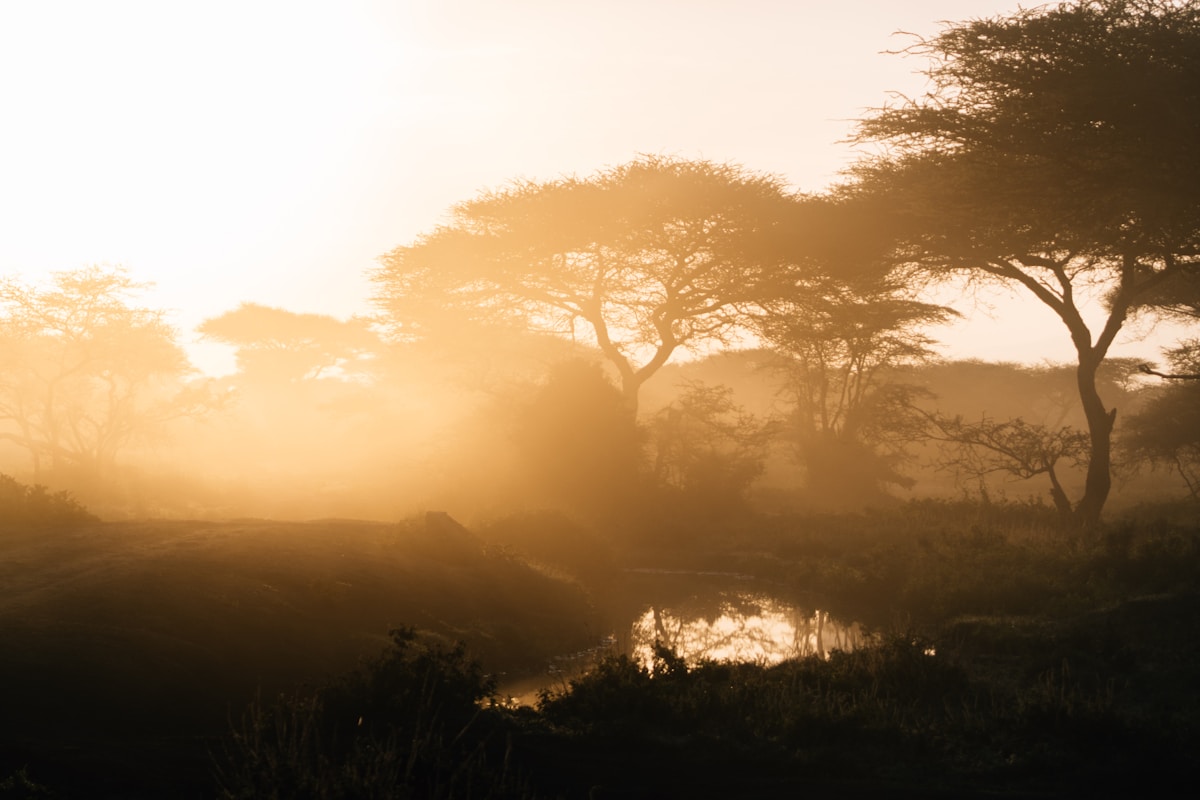
Mount Kenya (5,199m) is Africa’s second-highest mountain and Kenya’s highest point. The main summit, Batian (5,199m), is a serious technical rock climb; the adjacent Nelion (5,188m) is also technical. But Point Lenana (4,985m), the third-highest peak, is accessible to fit trekkers with no technical climbing experience — and sits high enough to provide extraordinary views over the whole East African plateau.
The mountain is a UNESCO World Heritage Site and lies within Mount Kenya National Park, managed by Kenya Wildlife Service.
The Summit Options
Point Lenana (4,985m): The trekking summit. Reached by a non-technical scramble from Austrian Hut (4,790m), typically starting at midnight to arrive at sunrise. Snow and ice possible on the final approach — trekking poles and gaiters useful, crampons occasionally required in wet season.
Batian (5,199m) and Nelion (5,188m): Technical rock climbs requiring prior mountaineering experience, rope skills, and ideally a climbing guide. Not suitable for standard trekkers.
The Three Main Routes
Sirimon Route
The most gradual ascent route — ideal for acclimatisation. The trailhead is at the Sirimon Gate on the northwest side of the mountain, accessible from Nanyuki (17km, 30 minutes by car).
Day 1: Sirimon Gate (2,650m) → Old Moses Camp (3,300m) — 4–5 hours, through moorland and Afro-alpine heath Day 2: Old Moses Camp → Shipton’s Camp (4,200m) — 6–7 hours, across the Mackinder Valley with views of the peaks Day 3: Rest/acclimatisation at Shipton’s. Short hike to Kami Tarn for altitude adjustment Day 4: Shipton’s → Austrian Hut (4,790m) → Point Lenana (4,985m, pre-dawn start) → descent to Naro Moru Gate
The ascent from Austrian Hut to Point Lenana takes approximately 2–3 hours and is the hardest section — steep scree and potential ice.
Naro Moru Route
The fastest route — used by operators doing 3-day ascents. The trailhead is at Naro Moru town (off the Nairobi–Nanyuki highway). Less scenic than Sirimon but functional if time is limited.
Key challenge: The “Vertical Bog” — a steep section of waterlogged moorland between the roadhead and Meteorological Station Hut. Extremely muddy in wet season; gaiters essential.
Typical schedule: Day 1 (roadhead to Met Station, 3,050m), Day 2 (Met Station to Mackinder’s Camp, 4,300m), Day 3 (summit push pre-dawn, descend to roadhead). This 3-day schedule is too fast for proper acclimatisation — add a rest day at Mackinder’s.
Chogoria Route
The most scenic route and the recommended descent for the Sirimon–Chogoria traverse. Trailhead at Chogoria town on the east side of the mountain, approximately 120km from Nanyuki.
The Gorges Valley — a glacially carved U-shaped valley with lake Michaelson at the bottom — is one of the most dramatic landscapes in Kenya. The Chogoria ascent includes the Hall Tarns and the spectacular approach to the summit plateau.
As a descent: After summiting from the west (Sirimon), crossing the plateau to descend Chogoria gives the best scenery in each direction. Arrange transport at both gateways in advance.
Accommodation on the Mountain
Mountain huts (Kenya Wildlife Service / Mountain Club of Kenya):
- Old Moses Camp (3,300m): dormitory and camping, approximately USD 20/person/night
- Shipton’s Camp (4,200m): dormitory and camping, approximately USD 25/person/night
- Austrian Hut / Top Hut (4,790m): basic dormitory, approximately USD 20/person/night
Book huts through the Mountain Club of Kenya (mckenya.co.ke) or through your trekking operator. The huts fill up July–September — advance booking essential.
Camping: Possible at designated campsites throughout. Your guide carries or arranges tent.
Guides and Operators
Licensed guides are mandatory inside the park. Most visitors hire through operators based in gateway towns:
Nanyuki (northwest gateway):
- Mount Kenya Guides and Porters Association (MKGPA) — official guide listing, can hire directly
- Base Camp Kenya (local operator, good value packages)
Naro Moru (west gateway):
- Naro Moru River Lodge — traditional Mount Kenya operator, can arrange full packages
Chogoria (east gateway):
- Guides available at the gate; fewer established operators than the west side
Guide costs: Approximately USD 40–60/day. Porters: approximately USD 25–35/day. Tipping approximately USD 10–15/day for guides, USD 8–10/day for porters.
All-in packages from Nanyuki: Approximately USD 250–450/person for 4 days, typically including park fees, guide, hut fees, and meals. Check what is included — some operators quote excluding park fees.
Permits and Entry Fees
Park entry fee: Approximately USD 35/day for non-residents as of 2026. Paid online via kws.go.ke before arrival. For wildlife viewing on Mount Kenya’s lower slopes, see our Mount Kenya wildlife guide.
Hut/camping fees: Approximately USD 15–25/person/night depending on facility. Payable at the gate or through your operator.
Guide permit: Your licensed guide will have their park concession permit. Verify this is current before setting off.
What to Bring
Essential gear:
- Warm layers (temperature drops to -5°C to -15°C at summit elevation, windchill lower)
- Waterproof jacket and trousers
- Gloves and warm hat
- Sturdy waterproof hiking boots (broken-in)
- Trekking poles (essential on scree and ice)
- Headlamp with extra batteries (for pre-dawn summit push)
- Sunscreen (UV is intense at altitude)
- Water purification tablets
- Blister kit and basic first aid
Gear hire: Sleeping bags, trekking poles, and other equipment available for hire in Nanyuki (approximately KES 500–1,500/item/day). Quality varies — bring your own for anything critical.
Best Time
January–February and July–August are the driest months on Mount Kenya — best for clear summit views and less mud on the trails. October and November are wetter but less crowded.
Avoid April–May: Long rains make the Naro Moru Vertical Bog impassable and the summit is frequently in cloud.
Getting to the Trailheads
Nanyuki (Sirimon): 200km north of Nairobi on the Nanyuki highway, approximately 3 hours by car. Matatus from Nairobi’s Bus Stage (KES 500–700, 3 hours). Nanyuki has good guesthouses (from KES 3,000/night) for pre-trek overnight stays.
Naro Moru: 176km from Nairobi, approximately 2.5 hours. Slightly closer but a smaller town with fewer facilities.
Chogoria: On the east side of the mountain, approximately 30km off the main Meru road. 220km from Nairobi. Less convenient to reach but the scenic approach compensates.
Altitude and Safety
Mount Kenya claims lives every year, primarily from altitude sickness ignored or pushed through. Key rules:
- Ascend slowly. Do not push above 300–500m altitude gain per day above 3,000m
- Watch for symptoms: Severe headache, vomiting, loss of coordination, confusion — descend immediately
- Diamox (acetazolamide): Available in Kenyan pharmacies and widely used as altitude sickness prophylaxis. Consult a doctor before using.
- Rescue: The Mountain Rescue on Mount Kenya operates through the rangers. A rescue carries significant cost — comprehensive travel insurance including mountain rescue is essential.
Book an experience
Trekking in the area
Instant confirmation · Free cancellation on most bookings
Frequently Asked Questions
- Is Mount Kenya hard to climb?
- Point Lenana (4,985m), the trekkers' summit, is a non-technical hike but demands good physical fitness and acclimatisation due to altitude. The approach is 2–3 days of hiking at increasing altitude. The summit push from Austrian Hut (4,790m) to Point Lenana (4,985m) takes 2–3 hours in the dark, often on snow and ice. No technical climbing skills are required but altitude sickness is the primary risk — ascend slowly and descend immediately if symptoms worsen.
- Which Mount Kenya route is best for trekkers?
- The Sirimon–Chogoria traverse is widely considered the best combination: ascend via Sirimon (gradual, scenic, good acclimatisation), cross the plateau, and descend via Chogoria (the most dramatic scenery on the mountain, including the Gorges Valley). Naro Moru is the shortest route (3–4 days) but less scenic and less time for acclimatisation. Budget 4–5 days minimum for Sirimon–Chogoria.
- Do you need a guide to trek Mount Kenya?
- A licensed guide is mandatory for trekking inside Mount Kenya National Park. Guides are hired through operators in Naro Moru, Chogoria, or Nanyuki (the gateway towns). Guides know the routes, manage emergency procedures, and carry rescue equipment. Porters are optional but strongly recommended — at altitude, carrying a heavy pack is significantly harder.
- What does it cost to trek Mount Kenya?
- Budget approximately USD 300–500/person for a 4-day guided trek including park fees, guide, hut fees, and food. Park entry: approximately USD 35/day non-resident. Guide fee: approximately USD 40–60/day. Porter: approximately USD 25–35/day. Budget operators in Naro Moru offer all-in packages from approximately USD 250 for 4 days — check what is included.